Ever washed your hands and get that icky feeling that they’re just not getting clean? That’s most likely the film left behind by hard water.
Now imagine it coating your hair every time you shower. Not great.
If your hair feels dry, dull, harder to manage or just not behaving like it used to, hard water might be quietly to blame. It’s one of those things most people don’t think about, but once it starts affecting your hair, it can undo a lot of your good haircare habits.
The good news is that hard water damage is common, manageable and very fixable once you know what you’re dealing with. Let’s break it down.
What Even Is Hard Water? (and Why Is It in Your Shower?)
Hard water is simply water that contains a high level of minerals, mainly calcium and magnesium. These minerals are picked up as water travels through rocks and soil before reaching your tap.
Think of it like a thin layer of 'hair-armour', but the bad kind. It seals the hair shut so the good stuff (like your expensive masks) just slides right off instead of actually soaking in.
Less moisture leads to dry hair that’s prone to breakage. If you let this go on for too long, it could even lead to hair loss.
Living in Christchurch or the Far North? You’re likely in the hard water 'Red Zone.' If you’ve noticed your kettle furring up or your showerhead getting crusty, your hair is fighting the same battle. While it’s completely safe to drink, it can be less kind to your hair and skin. Those minerals don’t rinse away easily, which is where the trouble starts.

Signs Hard Water Is Messing With Your Hair
Not sure if this is what you're dealing with? These are some of the most common signs:
- Hair feels dry, rough or brittle no matter how much conditioner you use
- Dull colour that fades faster than expected
- Product build-up that makes hair feel coated or heavy
- Frizz that refuses to settle
- Hair that feels harder to detangle and style
- A scalp that feels itchy, flaky or irritated
If you’re ticking off more than one of these, hard water could be part of the problem.
What Hard Water Actually Does to Your Hair (and Why It’s So Annoying)
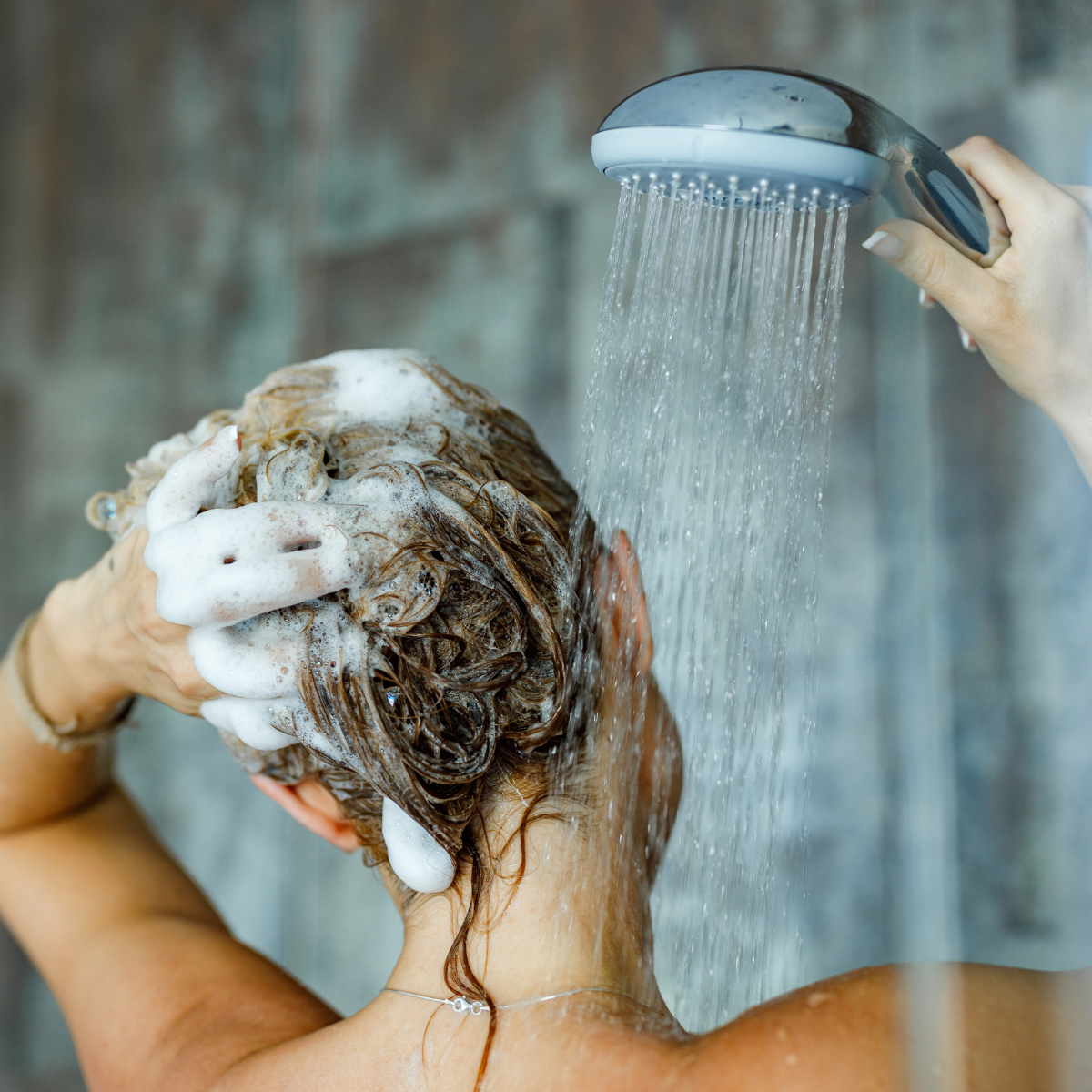
The minerals in hard water cling to the hair shaft and scalp. Over time, this creates a build-up that blocks moisture from getting in and stops your regular products from working properly.
That build-up can make hair feel dry and stiff, reduce shine and weaken the hair over time. For coloured hair, it can be even more noticeable. Mineral residue can interfere with colour pigments, leading to faster fading and uneven tone. If this sounds familiar, you might want to check out why coloured hair fades.
It’s Not Just Your Hair: Check Out Your Skin
It’s not just your hair that feels it. Hard water can dry out the skin on your scalp, which can lead to itchiness, flakes and general discomfort. A stressed scalp makes it harder for hair to grow and thrive, which is why scalp care matters more than people realise.

How to Undo Hard Water Damage (Without Ripping Out Your Plumbing)
You don’t need to move house or install a full water filtration system to improve your hair. A few smart changes to your routine can make a big difference.
Step One: Clear the Build-Up
Enter: Clarifying and Chelating shampoos. If your normal shampoo is a daily wipe-down, these are the 'deep-clean', the heavy hitters that actually get rid of the mineral gunk.
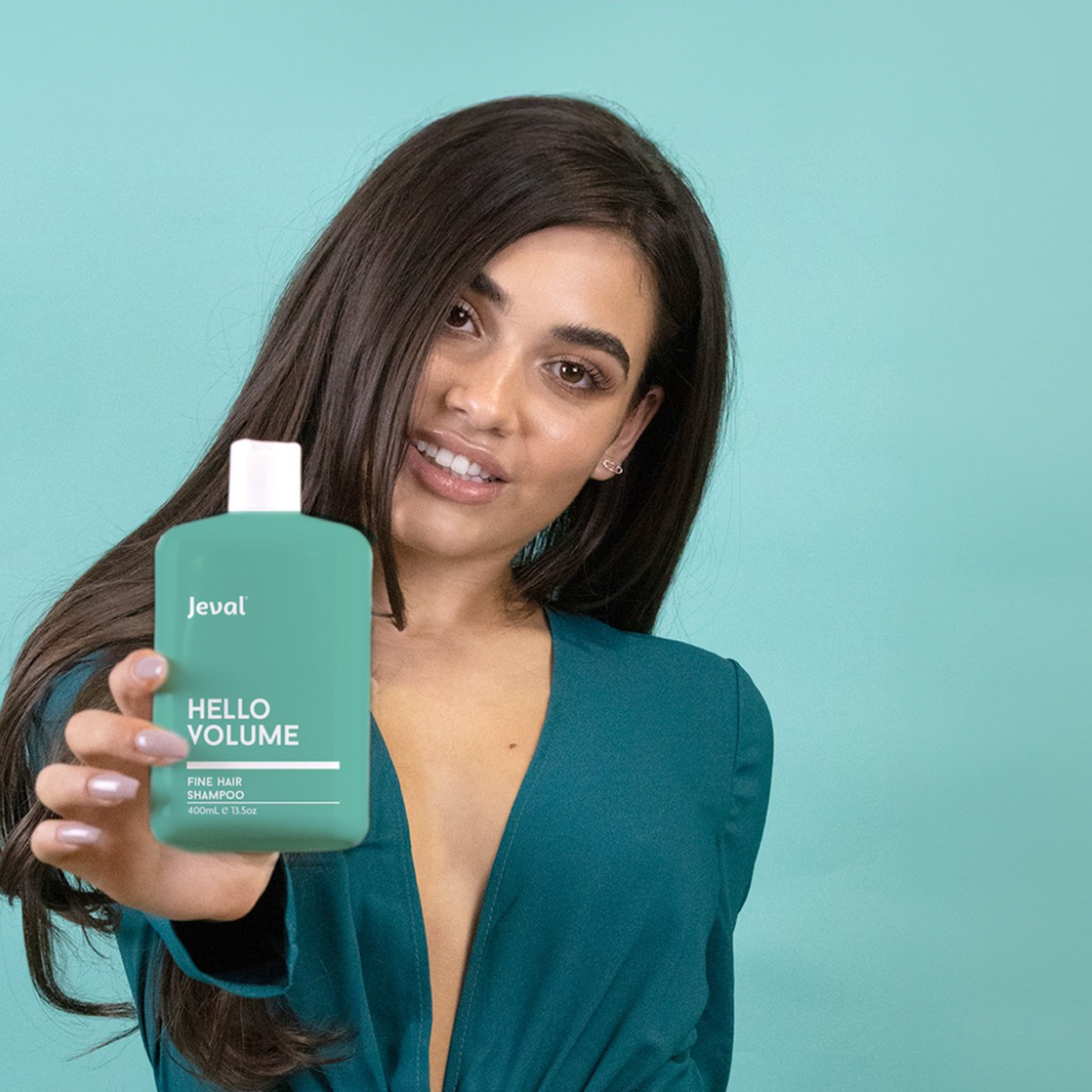
Clarifying shampoos help remove surface build-up from products and environmental residue, while chelating shampoos go a step further, targeting stubborn mineral build-up from hard water like calcium, chlorine and heavy metals. Using one every week or two helps properly reset your hair, so your everyday shampoo and conditioner can actually sink in and do what they’re meant to do.
If you colour your hair or want extra protection, the L’Oréal Serie Expert Metal Detox Range is a great option. It helps neutralise metal build-up inside the hair fibre, which can improve shine, reduce breakage and keep colour looking fresher for longer.
Step Two: Give Your Hair the Moisture It’s Been Missing
Once mineral build-up is removed, hair can finally absorb moisture again. Hydrating conditioners, masks and treatments will feel far more effective after clarifying.
Step Three: Show Your Scalp Some Love
Healthy hair starts at the scalp. Gentle exfoliation, soothing treatments and avoiding heavy build-up on the scalp can help counteract the drying effects of hard water.

How to Stop the Damage Before It Starts
While we love a good clarifying reset, the best way to deal with hard water is to stop it from gatekeeping your hair health in the first place. You don’t necessarily need to call a plumber or sell a kidney, but a few lifestyle tweaks can save your strands a lot of stress.
The Shower Head Filter (The Quick Fix)
If you’re renting or not quite ready to overhaul your entire home’s plumbing, a filtered shower head is your new best friend.
These are super easy to screw on yourself and contain cartridges (usually charcoal or KDF) that catch a huge chunk of those minerals and chlorine before they hit your head. It’s the closest thing to washing your hair with bottled water.
Whole-House Filtration (The Gold Standard)
Living in a hard water hotspot like Christchurch or Northland long-term? It might be worth looking into a water softener or a whole-house filtration system.
Yes, it’s an investment, but it’s a game-changer, not just for your hair and skin, but for the life of your kettle, dishwasher, and washing machine, too.
The “Cool Down” Rinse
Hot water opens up the hair cuticle, making it way easier for those pesky minerals to get inside and get comfortable.
Try finishing your wash with a quick blast of cool water. It helps seal the cuticle shut, locking moisture in and keeping the mineral gunk out. Plus, it’s a great way to wake up on a Monday morning.
Leave-In Barriers
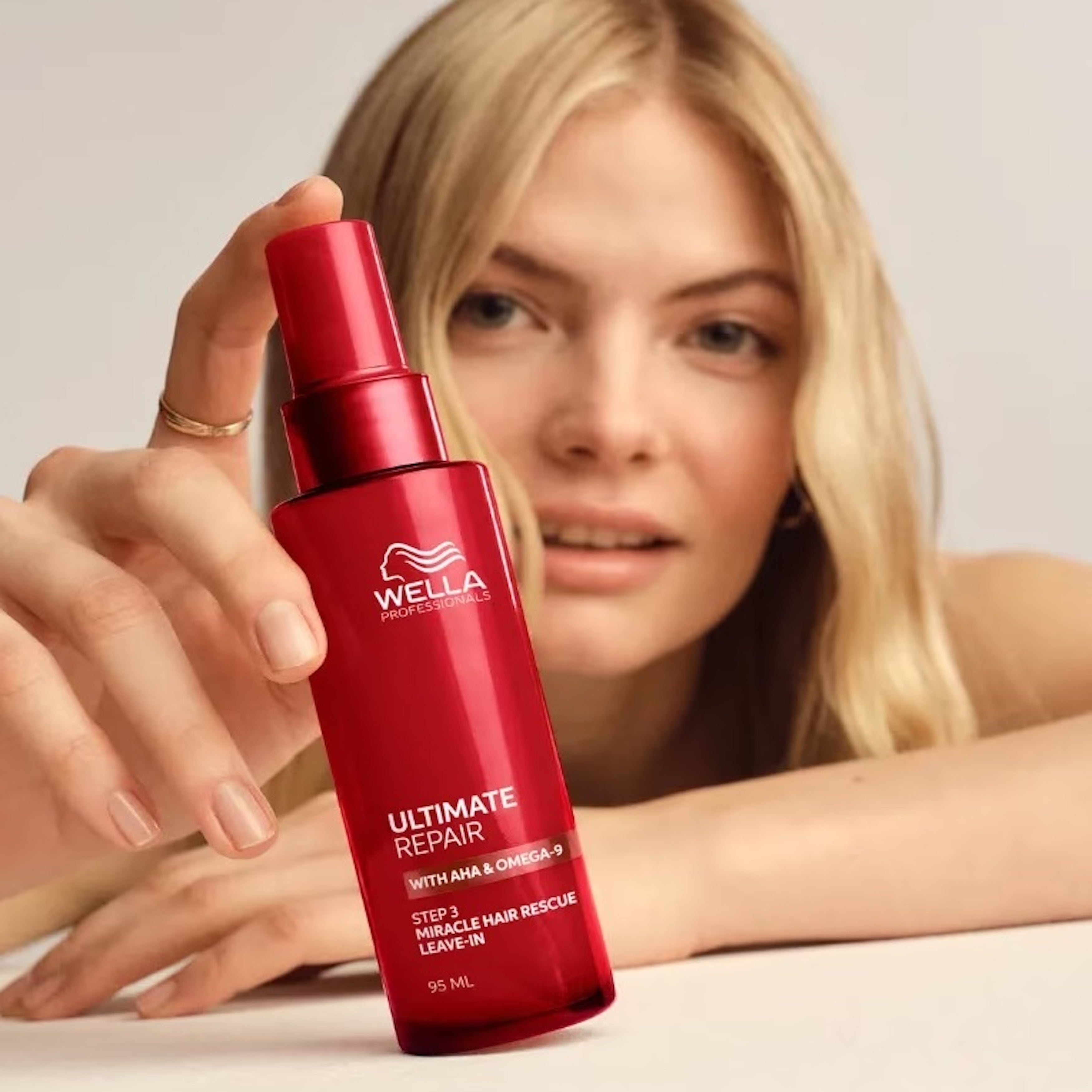
Think of leave-in conditioners or hair oils as a lightweight coat of armour. By applying a protective product to damp hair, you’re filling in the gaps in the hair shaft so that when you’re out and about (or even at your next wash), minerals and environmental pollutants find it much harder to hitch a ride.
The Verdict: Is Hard Water Gatekeeping Your Glow?
If your hair has been feeling blah for no obvious reason, you’re likely not dealing with bad hair, just bad water. The fix isn't about hoarding ten new products; it’s about making sure the ones you already love can actually do their job.
By clearing out the mineral gunk and resetting your scalp, you’re finally giving your hair a clean slate. Stop fighting the chemistry of your shower and start working with it.
Trust us, once you shift that build-up, your hair routine will feel like a miracle all over again!
FAQs (Because You’re Not the Only One Wondering)
What are the signs of hard water on hair?
Common signs include rough texture, lack of shine, stubborn build-up, scalp irritation and hair that does not respond well to your usual products.
How do you reverse the effects of hard water on hair?
Using a clarifying shampoo, incorporating metal detox products, boosting moisture and paying attention to scalp care can all help reverse hard water damage.
Does hard water affect skin and hair differently?
Yes. On skin, hard water can cause dryness and irritation. On hair, it leads to mineral build-up that affects moisture, strength and colour performance.
How can I tell if I have hard water at my house?
There are a few telltale signs. If soap does not lather well, you notice white residue on taps or shower glass, or your hair feels coated and dull even after washing, hard water could be the culprit. You might also notice your skin feeling tight or dry after showering.
For a definite answer, you can check your local water supply report or use an at-home water hardness test kit.
Can hard water cause dandruff?
Hard water does not directly cause dandruff, but it can definitely make scalp issues worse. Mineral build-up can dry out the scalp and cause irritation, which often shows up as flakes or itchiness.
Can hard water cause greasy hair?
Yes, surprisingly. When minerals build up on the scalp, they can block moisture and confuse your scalp into producing more oil to compensate. The result is hair that feels greasy at the roots but dry through the lengths.
It is a frustrating combo, but one that usually improves once the build-up is removed and the scalp is properly cared for.