
If your hair feels dry, dull, frizzy or just refuses to behave, chances are it’s not “bad hair” - it’s bad habits. The sneaky kind. The ones that feel harmless day-to-day but slowly undo all your good haircare intentions.
The good news? Most of these habits are easy to fix once you know what’s going on. Here are five everyday hair habits that quietly kill your hair, and what to do instead.
1. Washing Your Hair Too Often (or Too Aggressively)
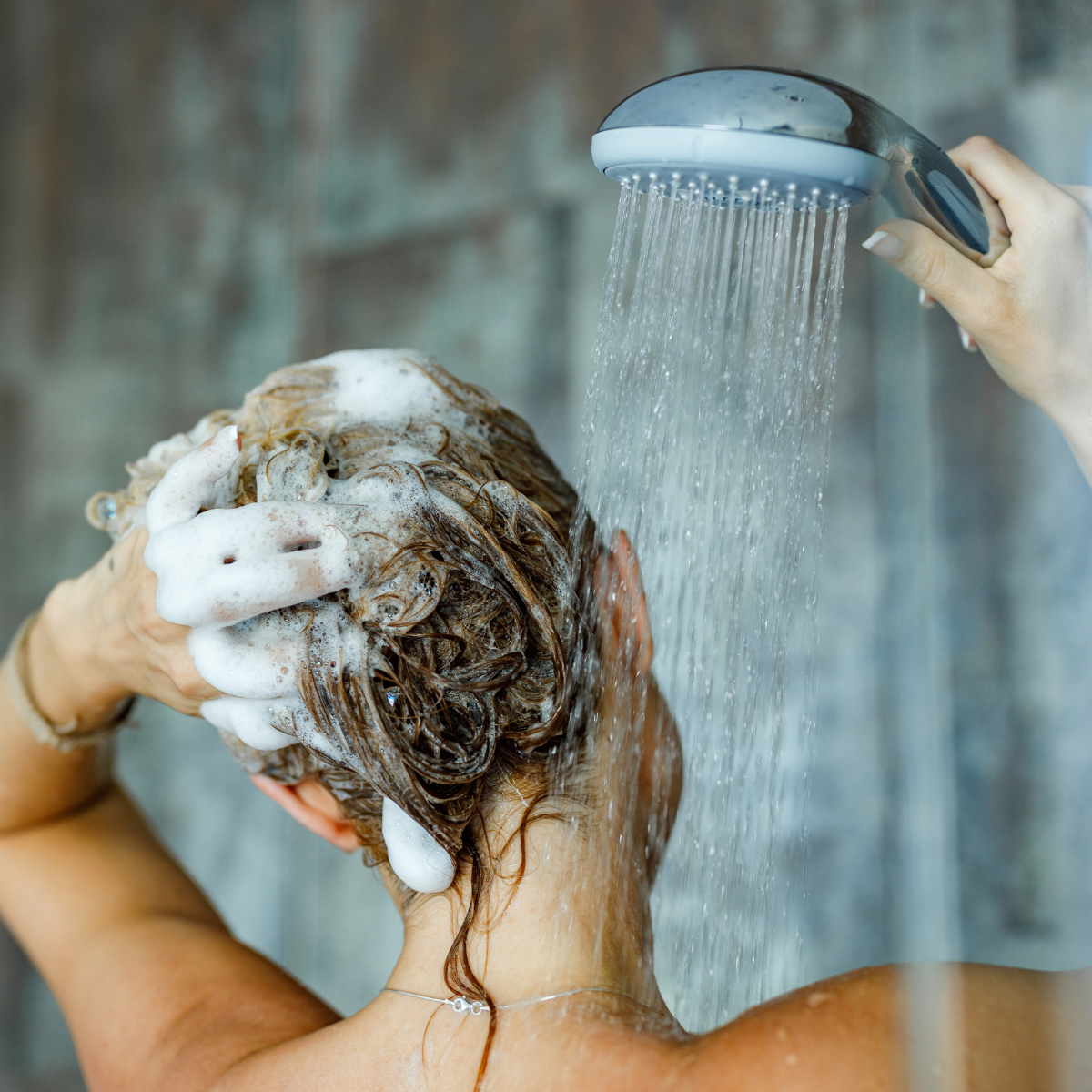
We get it, clean hair feels good. But overwashing (or scrubbing like you’re trying to remove paint) strips your hair of its natural oils. That’s when dryness, frizz and breakage start creeping in.
Why it’s a problem
Your scalp produces oils for a reason - mainly to protect and moisturise your hair. Strip them away too often, and your scalp panics. Your hair becomes dry, brittle and harder to manage, especially if it’s coloured or heat-styled, and what’s worse, your hair will most likely produce even more oil. Hair that’s both dry and greasy can be a real frustrating combination.
Do this instead
👉 Wash less frequently if you can, and switch to a gentler shampoo that cleans without nuking your scalp. If you start to feel a little grubby in between washes, try a water rinse, a mild co-wash or a good dry shampoo.
2. Heat Styling Without Protection (Yes, It Counts)
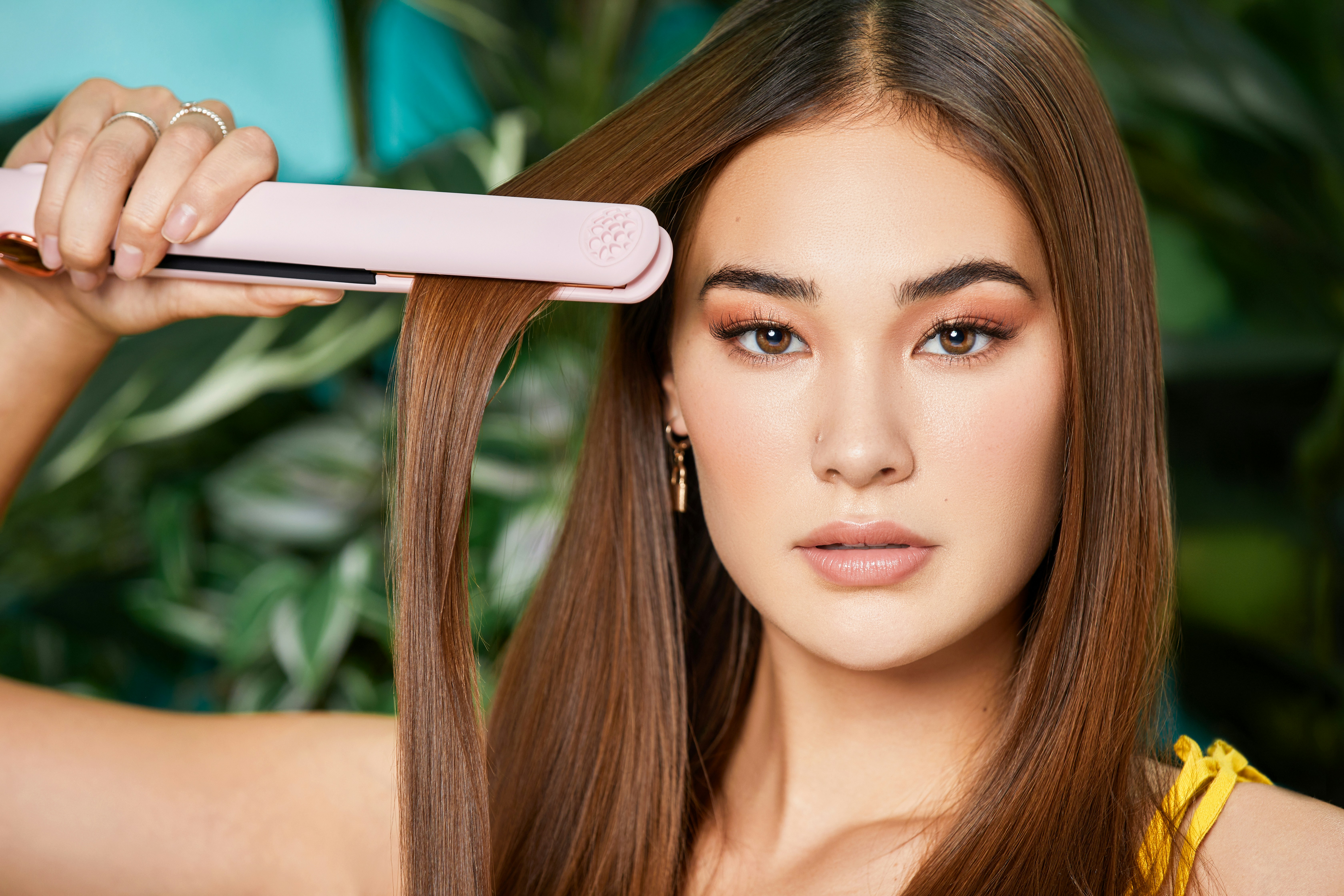
Blow-dryers. Straighteners. Curling wands. Even quick touch-ups. Heat damage doesn’t always show up immediately; it builds up over time.
Why it’s a problem
Without heat protection, your hair takes the full hit. Over time, that heat weakens the cuticle and leaves hair more prone to damage. This causes split ends, breakage and that rough, straw-like texture no serum can fully fix.
Do this instead
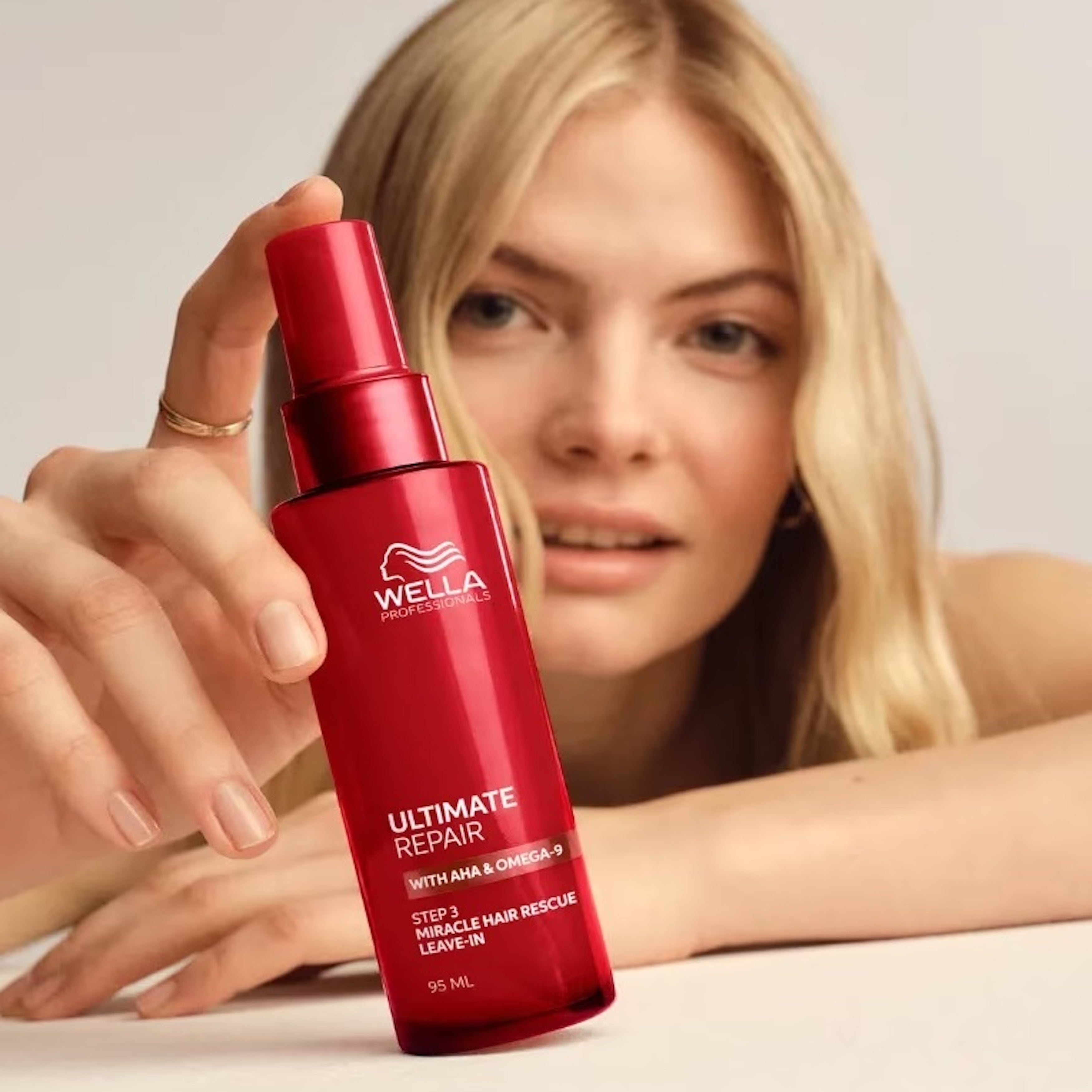
👉 Always use a heat protectant, keep tools on lower settings, and give your hair the occasional heat-free day.
3. Sleeping With Wet Hair (or Rough Pillowcases)
Going to bed with damp hair might save time, but your hair pays the price overnight.
Why it’s a problem
Wet hair is weaker and more elastic, which means it snaps and tangles more easily. Add friction from cotton pillowcases and you’ve got a recipe for breakage, frizz and split ends.
Do this instead
👉 Let hair dry before bed where possible, or gently dry it most of the way. Switching to a silk or satin pillowcase also helps reduce friction and helps your hair (and skin) hold on to moisture.
4. Tight Hairstyles on Repeat
High ponytails, tight buns, slicked-back styles - they look great, but wearing them constantly can stress your hair (and scalp).
Why it’s a problem
Constant strain on the follicles weakens the hair at the root and along the hairline, leading to breakage and thinning over time.
Do this instead
👉 Mix up your styles, loosen tension where you can, and give your scalp a break between tight looks.
5. Skipping Conditioner and Treatments
If shampoo is your entire routine, we need to talk.
Why it’s a problem
Shampoo cleans, conditioner restores moisture, smoothens cuticles and stops tangles. Without it, hair loses moisture, becomes rougher over time, and is more prone to damage.
Do this instead
👉 Use conditioner every wash, and add a mask or treatment weekly to keep hair strong and hydrated. To avoid buildup or oily roots, apply conditioner on the mid-lengths down to the ends. Leave the conditioner for 2-3 minutes before rinsing to give it time to actually soften your hair.
Other Sneaky Habits That Don’t Do Your Hair Any Favours
Some habits don’t feel that bad until they add up. These little everyday things can quietly mess with your hair health over time:
- Overdoing dry shampoo: Amazing in a pinch, not so amazing every day. Too much can clog the scalp, cause build-up and leave hair feeling flat and irritated.
- Rough towel drying: Twisting and rubbing your hair with a towel creates friction, which leads to breakage and frizz - especially when hair is wet and fragile.
- Skipping regular trims: Split ends don’t magically stop. Leave them too long and they travel up the hair shaft, undoing all your good work.
Small habits, big impact.
How to Undo the Damage (Without Starting From Scratch)
If your hair’s feeling dry, brittle or a bit worse for wear, don’t panic. Damage can be improved; it just takes a bit of consistency.
- Build a strengthening routine: Look for products with proteins, amino acids or bond-repair technology to help reinforce weakened strands.
- Deep condition weekly: One good mask a week can seriously improve softness, shine and elasticity.
- Turn down the heat: Give your hair a couple of heat-free days each week, and always use heat protection when you do style.
- Show your scalp some love: Healthy hair starts at the roots. Gentle oils, exfoliating scrubs or scalp treatments help keep things balanced.
- Trim every 8–12 weeks: Regular trims stop split ends from spreading and keep hair looking healthier overall.
- Protect hair outdoors: UV rays, pollution and wind all take their toll. Hats, scarves or leave-in products with UV protection help shield your strands.
Think of it as haircare, not hair rehab.
Small Changes = Better Hair (Quickly)
The biggest hair improvements don’t come from buying everything - they come from fixing the habits quietly working against you. Once those are sorted, your products actually get to do their job properly.
Healthier hair is less about perfection and more about consistency. And thankfully, that’s very achievable.
FAQs
Is it bad to wash your hair every day?
For many people, yes. Daily washing can strip natural oils and lead to dryness or scalp irritation. Some hair types tolerate it better than others, especially with gentle shampoos.
Can heat styling permanently damage hair?
Yes. Repeated heat without protection can cause long-term damage to the hair shaft, leading to breakage and split ends.
Does heat protectant actually work?
Yep, it makes a difference. A good heat protectant can reduce heat damage by up to 50%, taking the edge off high temperatures. It’s not magic, but used with lower heat and decent technique, it helps keep moisture in and breakage down.
Does conditioner really make a difference?
Absolutely. Conditioner helps restore moisture, smooth the hair cuticle and reduce breakage. This is especially important for coloured or heat-styled hair.
Is sleeping with wet hair bad for your hair?
It can be. Wet hair is more fragile, and friction while sleeping can cause breakage and frizz.