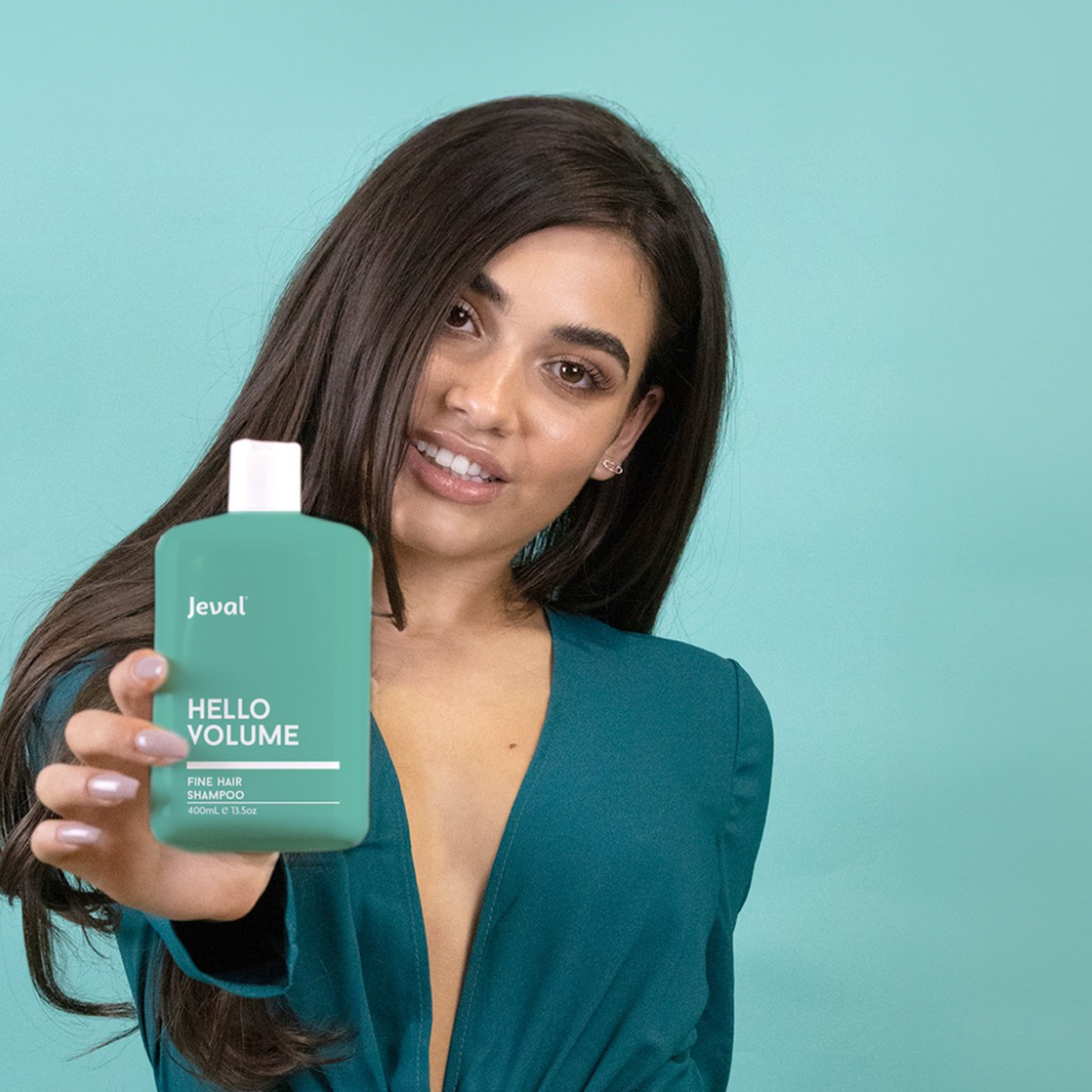

Most people have a pretty good handle on their products. The shampoo's sorted, the conditioner's doing its thing, maybe there's a treatment mask lurking in the shower for emergencies (we see you, once-a-month users).
But here's the thing: your hair routine isn't just about what you use. It's about what you do.
The daily habits around your hair (how often you wash, what you sleep on, whether you actually follow through with treatments or just think about following through) often matter just as much as the products themselves. Sometimes more.
These five habits aren't complicated. They won't eat into your morning routine. But they make a genuinely noticeable difference to how your hair looks, feels and holds up over time.
Stop Overwashing Your Hair
This is probably the most common habit that's quietly sabotaging things behind the scenes.
Washing your hair every day strips the natural oils your scalp produces to keep things moisturised and protected. When those oils get removed too often, your scalp panics and overcompensates, which leads to greasier roots, drier ends and hair that never quite feels balanced. It's a cycle, and your shampoo started it.
For most hair types, washing every two to three days is enough to keep things clean without starting a war with your scalp. If your roots feel oily in between, a dry shampoo can absorb excess oil without needing a full wash. Crisis averted.
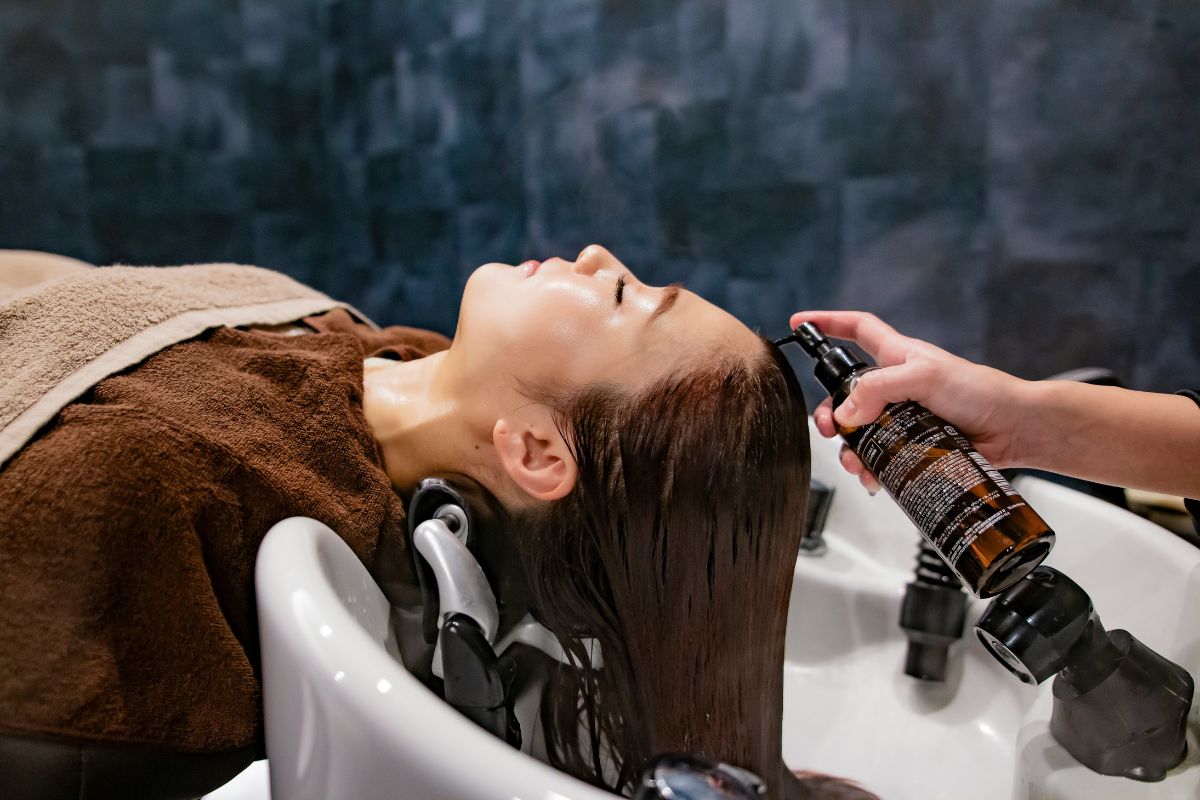
Water temperature matters too. Hot water opens up the hair cuticle, which strips moisture and makes colour fade faster. We know a cold rinse isn't exactly appealing in a New Zealand winter, but even lukewarm at the end of your wash helps seal the cuticle and lock in hydration. Your hair will thank you. Your goosebumps might not.
If you're looking for a shampoo that cleanses gently without stripping, something like Pureology Hydrate Sheer Shampoo works well for everyday use on colour-treated or dry hair. It's sulphate-free, so it keeps things clean without that squeaky, slightly-too-clean feeling that usually means you've overdone it.
If you're not sure whether your current shampoo is stripping too much, our sulphate-free collection is a good place to start.
Protect Your Hair While You Sleep
Your hair goes through more overnight than you'd think. And no, it's not resting while you rest.
Tossing, turning and rubbing against a cotton pillowcase creates friction. Over time, that friction leads to frizz, tangles and breakage, especially around the hairline and through the lengths. Basically, your pillow has been quietly roughing up your hair every night and nobody's called it out until now.
A few small changes can make a real difference:
- Switch to a silk or satin pillowcase. The smoother surface reduces friction so your hair glides instead of catching. Particularly helpful for curly or fine hair that wakes up looking like it's been in a fight.
- Tie hair loosely. A loose braid or low ponytail with a soft scrunchie keeps things contained without creating tension at the roots. Tight elastic bands? Breakage, dents and regret. Skip them.
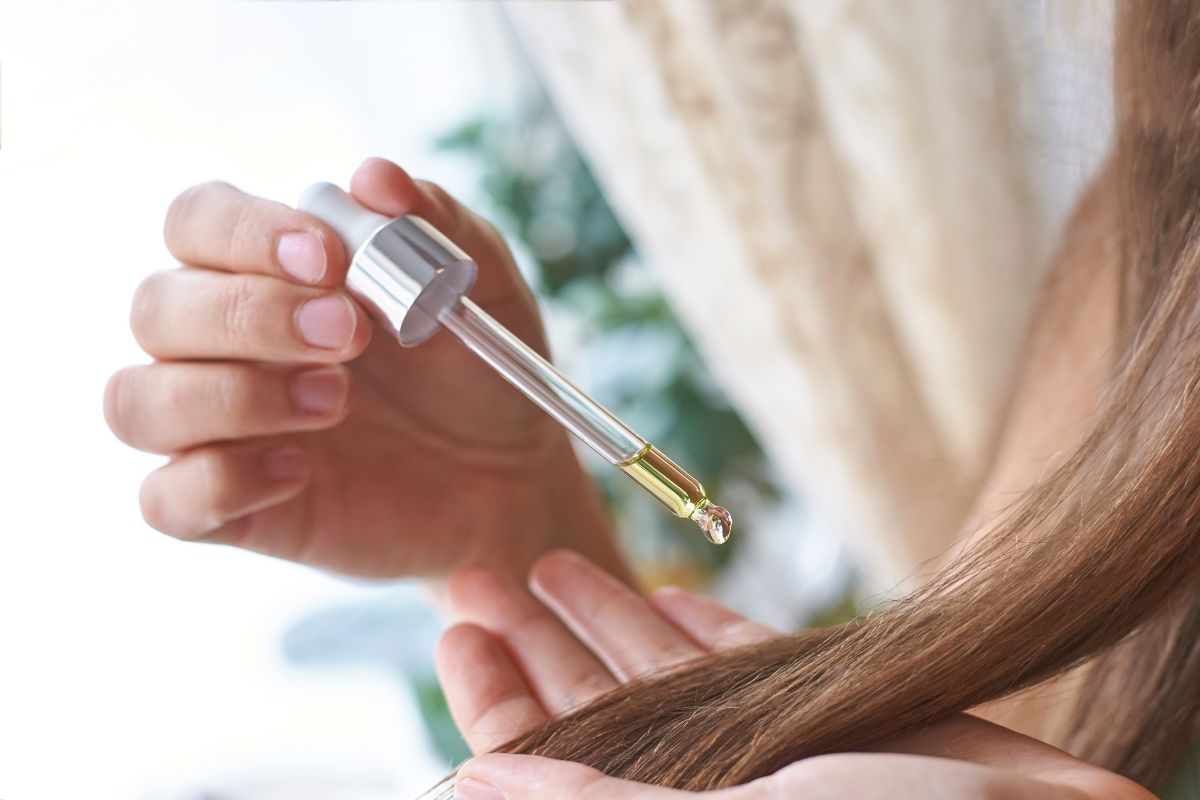
- Apply a leave-in before bed. A lightweight leave-in conditioner or oil keeps ends hydrated overnight and makes morning detangling significantly less dramatic.
If your hair tends to feel dry or rough in the morning, NAK Replends Creme Leave-In Moisturiser is a good option. It's lightweight enough to apply before bed without weighing things down, and it helps reduce friction and keep ends feeling soft.
For more on choosing the right detangling tool for your nighttime routine, check out our guide on why your brush matters.

Look After Your Scalp (Yes, Really)
Your scalp is where hair growth starts. If it's not in good shape, neither is your hair. Seems obvious when you say it out loud, but most people completely ignore everything happening above the hairline.
Think of it like skincare for your head. A healthy scalp creates a better environment for strong, well-anchored hair growth. A neglected one? Dryness, flaking, excess oil, irritation and eventually increased hair fall. Not the vibe.
What good scalp care actually looks like:
- Cleanse properly. When you shampoo, focus the product on your scalp rather than the lengths. Use your fingertips (not nails, we beg you) to gently massage and lift away build-up.
- Don't let product build up. Dry shampoo, styling products and oils are great, but they accumulate. If you're layering dry shampoo for three days straight without a proper wash, your scalp is definitely judging you.
- Nourish it. Just like your face, your scalp responds well to targeted treatment. It's not high maintenance; it's basic maintenance that most people skip.
For anyone noticing increased shedding, thinning or a scalp that just doesn't feel quite right, Nioxin's Scalp & Hair range is specifically designed to support scalp health. The cleanser helps remove build-up while optimising the scalp environment for stronger-feeling hair.
If things feel more advanced (thinning, excess shedding), a targeted scalp serum like Nioxin Scalp Recovery Purifying Shampoo can help reset things without being harsh.
Stick to a Weekly Treatment (Even When Your Hair Feels Fine)
This is where most people fall off. And honestly? We get it.
When hair feels soft and manageable, it's easy to skip the treatment mask or push it back another week. Then another. Then suddenly it's been six weeks and your ends are staging a protest. By the time your hair feels damaged, you're playing catch-up rather than maintaining.
The best time to treat your hair is before it starts looking stressed. Consistent weekly treatments keep moisture levels balanced, repair minor damage before it compounds, and maintain elasticity so hair bends instead of snapping. Prevention is always easier than a rescue mission.
A simple routine to follow:
- Pick one day a week (wash day works perfectly).
- After shampooing, apply a treatment or deep conditioner from mid-lengths to ends.
- Leave it on for at least five minutes (or longer if you can).
- Rinse with cool water.
That's it. A few minutes, once a week. Not exactly a big ask, but the difference it makes is unreasonable.
For an all-rounder that works across most hair types, Pureology Hydrate Superfood Treatment delivers deep hydration without heaviness. If your hair leans more toward chemically stressed or over-processed, Olaplex No.3 Hair Perfector helps repair internal bonds and brings resilience back.
The key isn't which mask you use. It's doing it regularly. Your hair doesn't care about the brand on the tube. It cares whether you showed up this week.
Pay Attention to What Your Hair Is Telling You
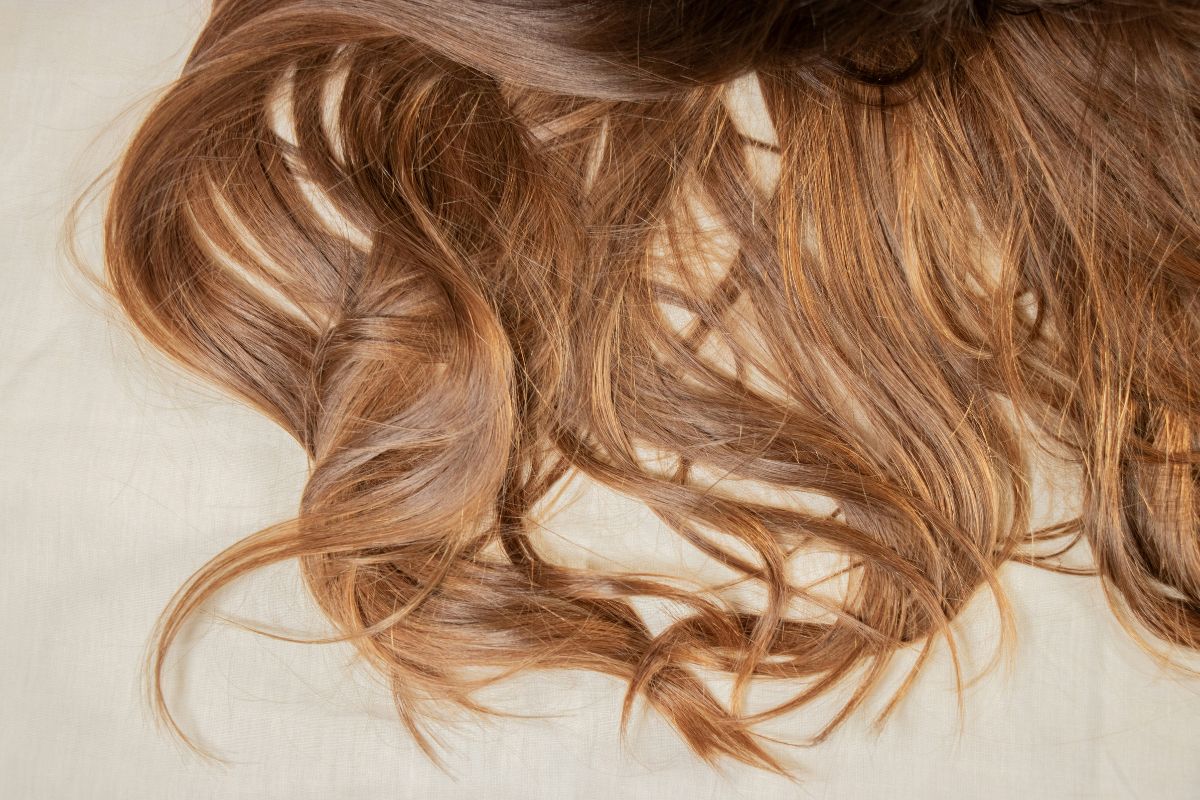
Your hair gives you signals all the time. The tricky part is knowing what they mean (and not just ignoring them until things get really bad).
- If your hair feels stretchy or gummy when wet, it probably needs protein. Damaged hair loses structural strength, and protein-rich treatments help fill those gaps. Our guide on the best products to build hair strength covers this in more detail.
- If your hair feels stiff, straw-like or snaps easily, it probably needs moisture. Over-processed or dry hair often gets brittle, and hydration helps bring flexibility back.
- If your hair looks dull and feels heavy, it might be dealing with product build-up. A clarifying shampoo once a fortnight can help reset things. Think of it as a factory restore for your hair.
- If your scalp feels itchy or flaky, that's usually either dryness or build-up, and it's worth addressing before it starts affecting growth. Your scalp is trying to tell you something. Listen to it.
The point is: your routine should shift with what your hair actually needs, not stay the same year-round regardless. Seasonal changes, chemical treatments, heat styling and even stress can all change what your hair requires. What worked in summer might not work in July. What worked pre-balayage definitely won't work post-balayage.
Check in with your hair every few weeks. Run your fingers through it, notice how it reacts to water, pay attention to how it feels after washing. Those small observations help you adjust before problems compound. Your hair is constantly giving you feedback. The question is whether you're paying attention.
Small Habits, Big Difference
None of these habits require a complete overhaul of your routine. They're small, sustainable shifts that compound over time. The kind of changes that don't feel like much on day one but make you wonder why you didn't start sooner by week four.
The products you use matter. But so does how you treat your hair between washes, while you sleep, and in those quick daily moments most people don't think twice about. Good hair isn't just bought. It's built.
Start with one or two of these and build from there. Consistency beats perfection, every single time. Your hair doesn't need you to be perfect. It just needs you to show up.
FAQs
How often should I wash my hair?
For most hair types, every two to three days is a good starting point. Very oily scalps may need more frequent washing, while dry or curly hair often benefits from washing less often. If your scalp feels balanced and your hair doesn't look flat or greasy, you've probably found the sweet spot. If it still feels wrong, your products might be the issue rather than the frequency.
Does sleeping with my hair down cause damage?
It can, especially on a cotton pillowcase. The friction from tossing and turning causes tangles, frizz and breakage over time. A loose braid, low ponytail or silk pillowcase reduces that friction significantly. Your morning detangling session will be a lot less eventful.
How do I know if my hair needs protein or moisture?
Here's a quick test: when your hair is wet, gently stretch a strand. If it stretches a lot and doesn't bounce back (or breaks when stretched), it probably needs protein. If it snaps immediately without stretching, it likely needs moisture. Most healthy hair has a balance of both. If yours feels fine, don't go fixing what isn't broken.
Can I use a hair mask too often?
Depends on the mask. Deep protein treatments can over-strengthen hair if you go overboard, making it feel stiff and straw-like (the opposite of what you wanted). Moisture-based masks are generally safe weekly. If your hair starts feeling heavy, limp or "too soft", space things out a bit.
What's the best way to build a consistent hair care routine?
Start simple. Pick a regular wash day, add a weekly treatment, and choose one or two leave-in products that address your main concern. Don't try to overhaul everything at once. Nobody sticks with a 12-step routine they invented on a motivated Sunday night. Small, consistent steps always beat a complicated system you'll abandon by Wednesday.