FREE NZ DELIVERY FOR ORDERS OVER $75
5 Things You Probably Didn't Know About Curly Hair
Living with curly hair is its own experience.
Some days, your curls look incredible. Full of shape, movement and personality. Other days… not so much. One bit’s doing its own thing, another section looks completely different, and somehow humidity has entered the chat again.
If any of that sounds familiar, you’re not doing anything wrong. Curly hair simply behaves differently to straight or wavy hair - and a lot of the common struggles people have with curls come down to misunderstanding how they actually work.
Let's break down a few things that make curly hair unique - the stuff that surprises people, explains those “why is my hair like this?” moments, and helps you feel a bit more at peace with your curls. Because once you understand them, looking after curly hair becomes a whole lot easier - and a lot more enjoyable.
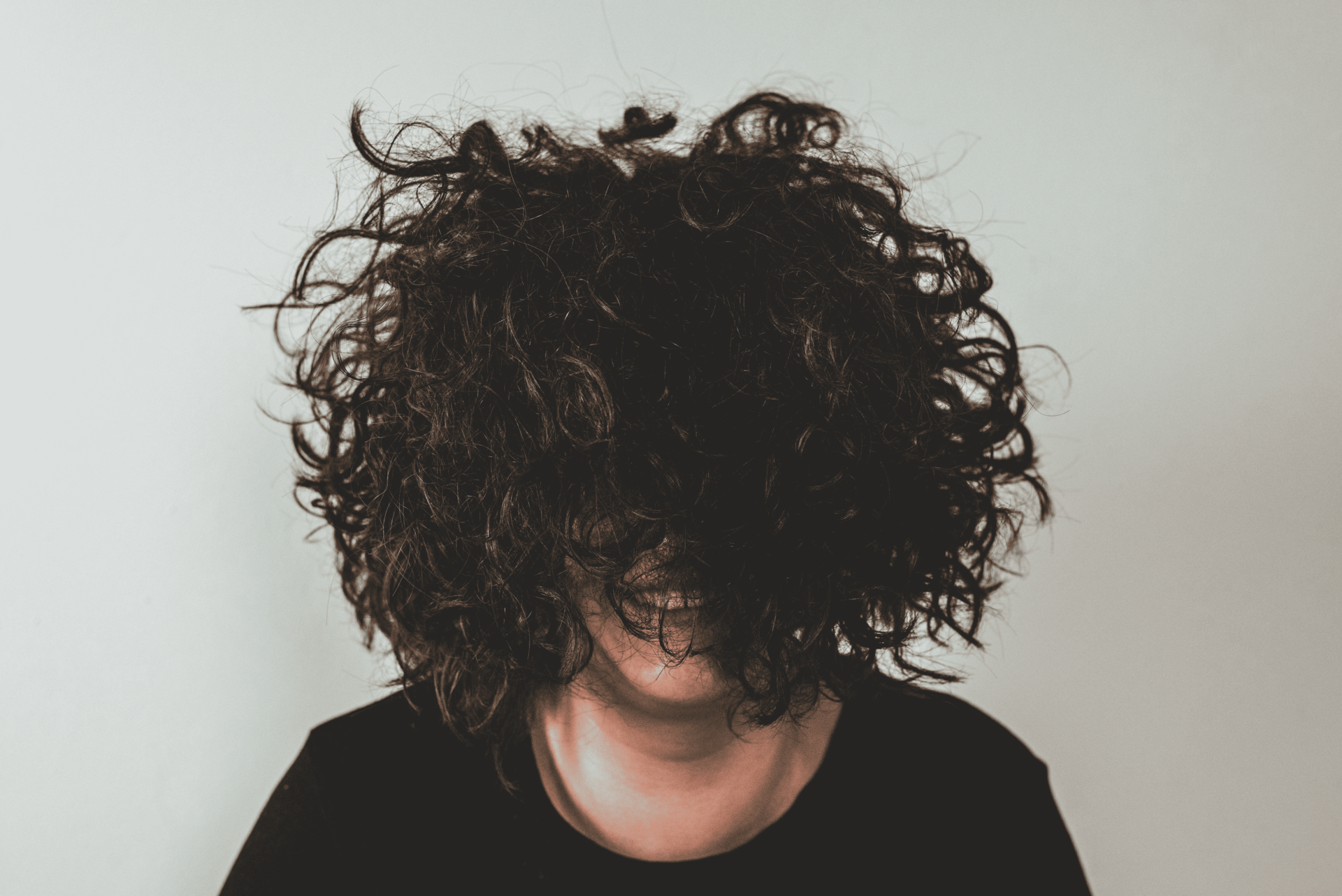
1. Curly Hair Is Naturally Drier (and It’s Not Your Fault)
If you’ve ever wondered why your curls feel dry five minutes after washing, here’s the truth: curly hair is meant to be drier than straight hair.
The natural oils your scalp produces (the ones that keep hair soft and protected) travel easily down straight strands. On curly hair, those oils have to navigate bends, twists and spirals - and most of the time, they just don’t make it very far. That’s why curls often feel dry at the ends, even when the scalp itself feels fine.
This is also why curly hair tends to crave moisture in a way other hair types don’t. It’s not about over-washing or doing something wrong; it’s simply how curls are built.
The tricky part
When curls don’t get enough moisture, they’ll usually show it through:
- dryness and roughness
- frizz (especially in humid weather)
- lack of definition
- curls that feel brittle or lose their bounce
And because dryness is so common with curls, many people assume their hair is damaged - when in reality, it’s often just thirsty.

The good news
Curly hair actually responds beautifully to moisture. When it’s properly hydrated, curls tend to look:
- softer and more defined
- springier and fuller
- smoother, with less flyaway frizz
- easier to style and refresh between washes
This is why curly routines often include things like leave-in conditioners, curl creams or lightweight oils - not to weigh hair down, but to replace the moisture that naturally struggles to reach the ends.
Once you understand that dryness is part of the curly hair package, a lot of frustration melts away. You stop fighting your hair and start working with it - and that’s when curls really start to shine.
2. Frizz Isn’t Damage, It’s Often Just Thirst (or Humidity)
Frizz gets a bad reputation, especially if you’ve spent years trying to smooth it away. But here’s something a lot of people don’t realise: frizz doesn’t automatically mean your hair is damaged or unhealthy.
For curly hair, frizz is often just a reaction - either to lack of moisture or extra moisture in the air.
Curly hair is more porous than straight hair, which means it absorbs and releases moisture more easily. When the air is humid, curls can pull moisture from the environment, causing the cuticle to lift slightly. That’s when you get that irritating and familiar halo of frizz, even if your hair felt great when you styled it.
Why frizz shows up so easily on curls
A few common triggers:
- dry curls searching for moisture
- humid or damp weather
- over-brushing or touching hair while it dries
- products that don’t offer enough hydration or hold
None of these mean your hair is “bad” or broken. They’re just part of how curls respond to the world around them.

The upside no one talks about
Here’s the flip side: frizz is caused by the same thing that gives curls all that movement and volume.
The same structure that makes curls prone to frizz is what gives them their natural body, bounce and texture - things people with straight hair often try to recreate with heat tools and styling products.
The goal with curly hair isn’t to eliminate frizz completely (that usually leads to flat, heavy curls anyway). It’s about balancing moisture and definition so frizz stays soft, controlled and intentional, not wild or crunchy.
That’s why lightweight leave-ins, curl creams and gentle styling techniques tend to work so well for curls. They help keep moisture where it belongs, without fighting the natural shape of your hair.
3. Curly Hair Shrinks (A Lot - and It’s Completely Normal)
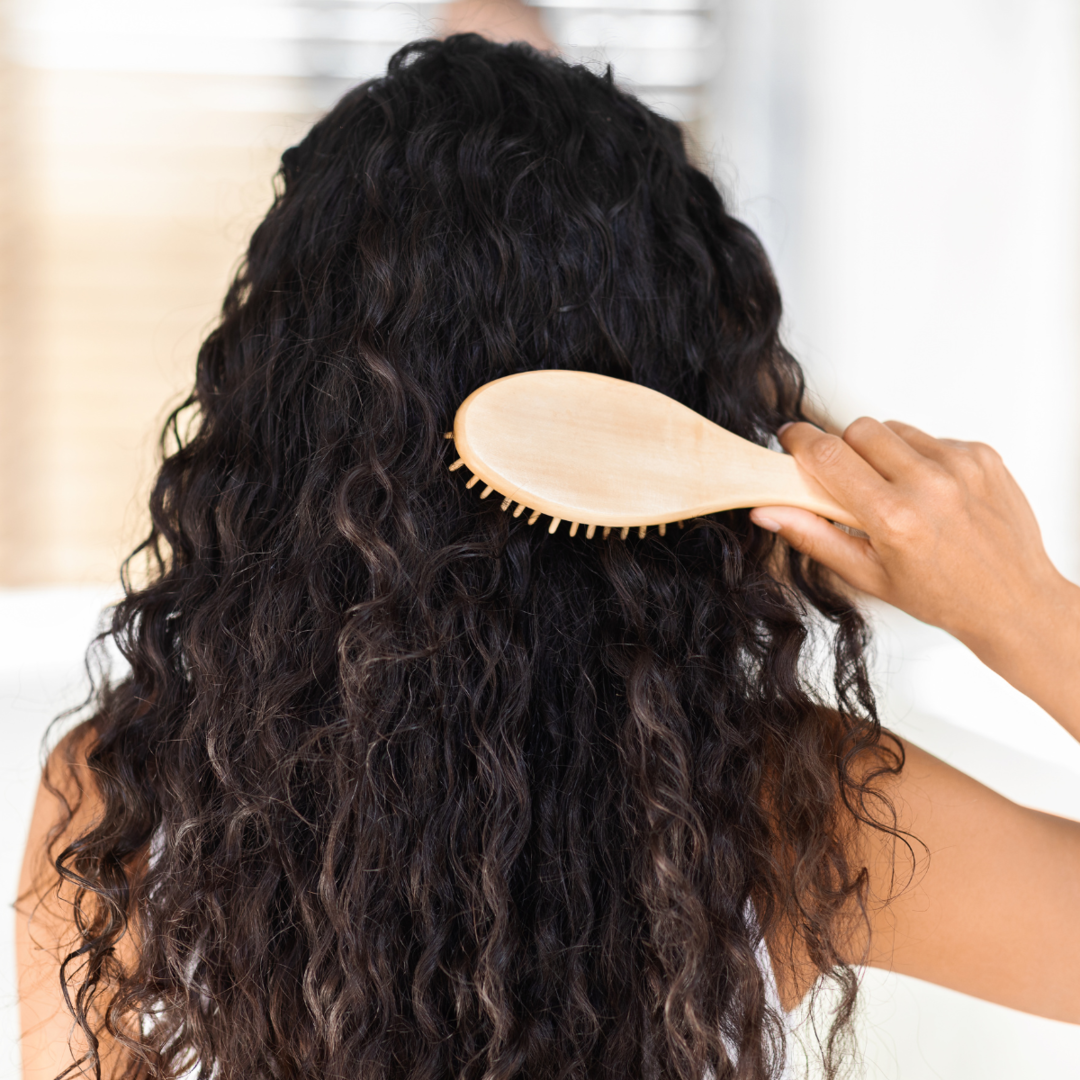
If your hair looks long when it’s wet, then mysteriously shorter once it dries, you’re not imagining things. Curl shrinkage is real - and it’s one of the most misunderstood parts of having curly hair.
Shrinkage happens because curls naturally contract as they dry. The tighter the curl pattern, the more noticeable this can be. For some people, hair can appear several centimetres shorter once it’s fully dry - even if it’s healthy, hydrated and well cared for.
Why shrinkage happens
When curls dry, they spring back into their natural shape. That coil effect pulls the hair upward rather than letting it hang straight down, which is why length can seem to disappear.
This often leads people to think:
- your hair isn’t growing
- trims are “too aggressive”
- your curls are trying really hard to ruin your day
In reality, shrinkage is usually a sign that your curls are doing exactly what they’re meant to do.
The positive side of shrinkage
Here’s the part that doesn’t get enough love: shrinkage is closely linked to healthy, elastic curls.
When hair has good moisture and flexibility, it can stretch and bounce back. That springiness is what gives curls their shape, body and definition - and it’s something other hair types struggle to achieve without styling tricks.
Shrinkage can be frustrating if you’re growing your hair out, but it’s also a sign that your curls have life in them. With the right styling techniques and enough moisture, many people find they can reduce how noticeable shrinkage feels - without sacrificing volume or curl shape.
4. Curly Hair Changes Day to Day - Even When You Don’t Change a Thing
One of the most frustrating things about curly hair is how different it can look from one day to the next.
You use the same products.
You style it the same way.
You go to bed thinking, “Yep, nailed it.”
Then you wake up and… your curls have other plans.
This isn’t because your routine is wrong. It’s because curly hair is a LOT more reactive to its environment than other hair types.
Why curls are so reactive
Curly hair responds to things you don’t always notice, like:
- humidity and temperature changes
- how dry or hydrated the air is
- how you slept on your hair
- how much moisture your hair absorbed the day before
- even how active you’ve been
Because curls are more porous and structured, these factors can shift how your curl pattern sits, stretches or tightens - without you doing anything differently at all.

What this actually means
Here’s the important part: inconsistent curl days don’t mean inconsistent hair health.
It just means curls are dynamic. They adapt, react and move - which is part of what gives them so much personality. The goal isn’t to force your hair to look identical every single day (that usually just leads to a lot of frustration), but to work with where your curls are at.
This is why refresh days are such a big part of curly routines. A bit of water, a touch of leave-in or curl cream, and gentle reshaping can often bring curls back to life - no full wash needed.
5. Curly Hair Has Built-In Volume Other Hair Types Can’t Fake
One of the biggest double-edges of curly hair is volume.
On one hand, it can feel like too much - uneven, bulky in places, flat in others. On the other? It’s one of curly hair’s biggest advantages.
Curly hair naturally lifts away from the scalp. The bends and twists in each strand create shape, body and movement that straight hair often has to work hard to achieve with blow-dries, rollers or styling tools.
That natural volume is why curls can look full and dynamic even without heavy styling - and why, when they’re properly cared for, they tend to hold their shape way better throughout the day.

Why curly volume is different
Unlike teased or heat-styled volume, curl volume:
- has movement, not stiffness
- looks intentional rather than forced
- grows out softly instead of collapsing
- gives hair personality and presence
This is also why the goal with curly hair isn’t to “flatten it” or control it into submission. Overloading curls with heavy products (like supermarket-grade products) or aggressive smoothing often strips away what makes them special.
Working with your volume
When curls are well moisturised and supported with the right styling products, volume becomes something you can shape rather than fight. Definition improves, bulk looks more balanced, and curls sit where they’re meant to - without losing their natural lift.
It’s the kind of volume people with other hair types try hard to recreate. Curly hair just happens to grow it naturally.
So… What Does This All Mean for Living With Curly Hair?
Curly hair isn’t difficult - it’s just different.
A lot of the challenges people experience with curls come from treating them like straight hair, or expecting them to behave the same way day after day. Once you understand how curls work - why they’re drier, why they react to humidity, why they shrink, and why they change - everything starts to make a lot more sense.
And with that understanding comes a shift. Less frustration. More confidence. Better hair days, even when things aren’t “perfect.”
Curly hair has texture, movement, volume and character built in. With the right care and a bit of patience, those quirks stop feeling like problems - and start feeling like exactly what makes your hair yours.
Brands
Shampoo
Conditioner
Treatment
Styling
Colour
Men's
Skincare
Hair Styling Tools
Hair Accessories
Gift Sets






SIGN UP FOR OUR NEWSLETTER
Receive our latest updates about our products and promotions
Articles
Contact Us
Shipping & Returns
Electrical Warranty
Privacy Policy
Terms & Conditions
Holy Grail Haircare is a proudly New Zealand owned and operated company